
Rock
This page is currently not sponsored. Click here to sponsor this page.
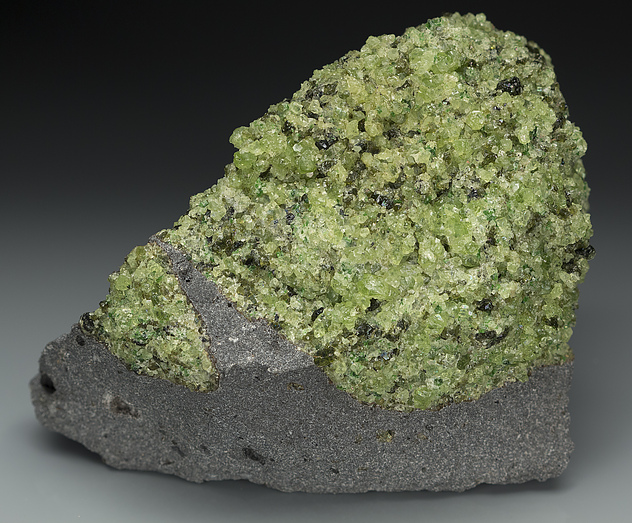
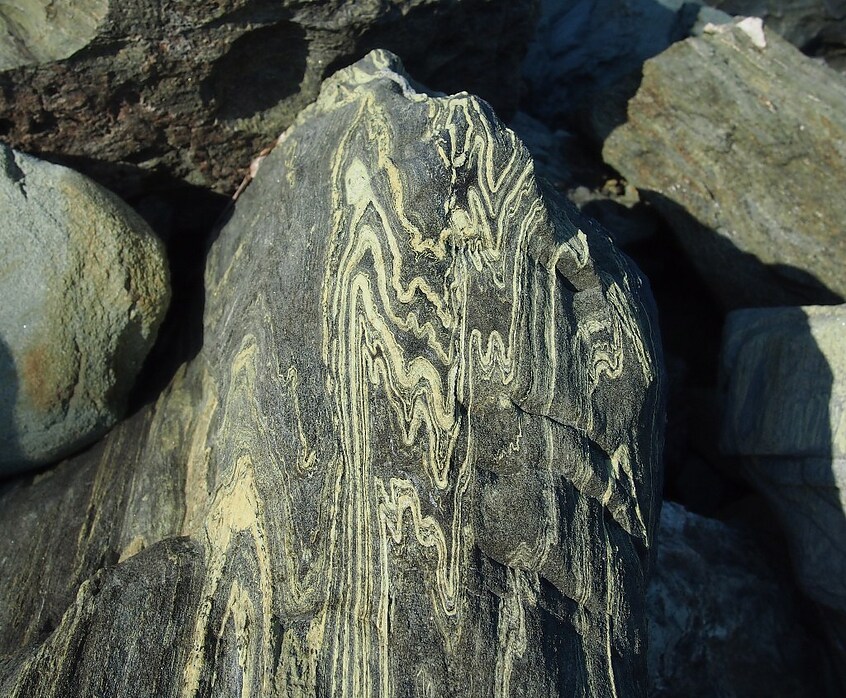



About Rock
A rock is a naturally-occurring solid aggregate of one or more minerals, mineraloids or, in some cases, organic material. Sediments are the unconsolidated equivalent of these. Other related materials, including some man-made materials, are included within this categorization, along with the major classifications for meteorites.
Strictly, any naturally formed aggregate or mass of mineral matter, whether or not coherent, constituting an essential and appreciable part of the Earth's crust. Ordinarily, a consolidated or coherent and relatively hard, naturally formed mass of mineral matter; stone. In instances, a single mineral forms a rock, such as calcite, serpentine, kaolin, and a few others, but the vast majority of rocks consist of several minerals. It can include glasses and mineraloids eg. obsidian, or solid organic material, e.g., coal.
Reference: American Geosciences Institute
Strictly, any naturally formed aggregate or mass of mineral matter, whether or not coherent, constituting an essential and appreciable part of the Earth's crust. Ordinarily, a consolidated or coherent and relatively hard, naturally formed mass of mineral matter; stone. In instances, a single mineral forms a rock, such as calcite, serpentine, kaolin, and a few others, but the vast majority of rocks consist of several minerals. It can include glasses and mineraloids eg. obsidian, or solid organic material, e.g., coal.
Reference: American Geosciences Institute
Unique Identifiers
Mindat ID:
50468
Long-form identifier:
mindat:1:1:50468:1
Similar Names
| Rikki | A synonym of Native Sulphur |
Sub-divisions of Rock
- Rock
- Caustolith
- Dimension stone
- Growan
- Nontectonite
- Pseudo-aplite
- Pseudoconglomerate
- Zebra rock
- Igneous rock
- Acidite
- Anthraphyre
- Aphanide
- Cumulate or rock of restricted mineralogy
- Eutaxite
- Eutectite
- Ferroplete
- Mafic rock
- Syntectite
- Normal crystalline igneous rock
- Coarse-grained ("plutonic") crystalline igneous rock
- Quartz-rich-coarse-grained-crystalline-rock
- Granitoid
- Syenitoid
- Dioritoid
- Gabbroid
- Anorthositoid
- Foid-syenitoid
- Foid-dioritoid
- Foid-gabbroid
- Foidolite
- Coarse-grained-ultramafic-rock
- Fine-grained ("volcanic") normal crystalline igneous rock
- Hybrid igneous rock and intrusive breccia
- Fine-grained ultramafic-rock
- Coarse-grained ("plutonic") crystalline igneous rock
- Exotic crystalline igneous rock
- Glassy igneous rock
- Fragmental/volcaniclastic igneous rock and sediment
- Pegmatite
- Diatectite
- Dissogenite
- Sedimentary rock and sediment
- Sediment
- Sedimentary rock
- Clastic sedimentary rock
- Biochemical and chemical sedimentary rock
- Concretion
- Carbonate rock
- Limestone
- Dolostone
- Dolomite-mudstone
- Ankerite-mudstone
- Dolomite-wackestone
- Ankerite-wackestone
- Dolomite-packstone
- Ankerite-packstone
- Dolomite-grainstone
- Ankerite-grainstone
- Dolomite-boundstone
- Ankerite-boundstone
- Dolomite-framestone
- Ankerite-framestone
- Dolomite-pseudosparstone
- Ankerite-pseudosparstone
- Dolomite-sparstone
- Ankerite-sparstone
- Dolomite-microsparstone
- Ankerite-microsparstone
- Dolomite-microstone
- Ankerite-microstone
- Ooid-dolostone
- Pisoid-dolostone
- Oncoid-dolostone
- Microoncoid-dolostone
- Peloid-dolostone
- Magnesite-stone
- Na-carbonate-rock
- Framestone
- Pseudosparstone
- Sparstone
- Microsparstone
- Microstone
- Evaporite
- Phosphorite
- Ironstone
- Organic-rich-rock
- Siliceous-rock
- Grainstone
- Wackestone
- Packstone
- Boundstone
- Volcaniclastic rock
- Hybrid-sedimentary-rock
- Metamorphic rock
- Calc-schist
- Catawbarite
- Cinnabrite
- Coppernite
- Diaphthorite
- Leptite
- Metamafic-rock
- Porphyroid
- Pyrometamorphic rock
- Queluzite
- Restite
- Sondalite
- Tectonite
- Meta-igneous rock
- Metavolcanic rock
- Metadacite
- Metarhyodacite
- Meta-alkali-feldspar-rhyolite
- Metarhyolite
- Meta-alkali-feldspar-trachyte
- Metabasaltic-trachyandesite
- Metafoid-bearing-alkali-feldspar-trachyte
- Metafoid-bearing-trachyte
- Metaquartz-alkali-feldspar-trachyte
- Metaquartz-latite
- Metaquartz-trachyte
- Metatrachyandesite
- Metafoid-bearing-latite
- Metalatite
- Metatrachybasalt
- Metatrachydacite
- Metatrachyte
- Meta-andesite
- Metabasaltic-andesite
- Metabasalt
- Metabasanitic-foidite
- Metafoidite
- Metaphonolitic-foidite
- Metatephritic-foidite
- Metaphonolite
- Metatephritic-phonolite
- Metabasanite
- Metaphonolitic-basanite
- Metaphonolitic-tephrite
- Metatephrite
- Meta-ultramafitite
- Metaplutonic rock
- Metaquartzolite
- Metaquartz-rich-granitic-rock
- Meta-alkali-feldspar-granite
- Metagranite
- Metagranodiorite
- Metatonalite
- Meta-alkali-feldspar-syenite
- Metafoid-bearing-alkaki-feldspar-syenite
- Metafoid-bearing-monzonite
- Metafoid-bearing-syenite
- Metamonzonite
- Metaquartz-alkali-feldspar-syenite
- Metaquartz-monzonite
- Metaquartz-syenite
- Metasyenite
- Metafoid-bearing-diorite
- Metafoid-bearing-monzodiorite
- Metamonzodiorite
- Metaquartz-diorite
- Meta coarse-grained-ultramafic-rock
- Metaquartz-monzodiorite
- Metagabbro
- Metadiorite
- Serpentinite
- Talc-rock
- Hornblende-rock
- Amphibole-rock
- Pyroxene-rock
- Meta unclassified glassy metaigneous rock
- Meta exotic-crystalline-igneous-rock
- Metavolcanic rock
- Metasedimentary rock
- Meta clastic-sedimentary-rock
- Metacarbonate-rock
- Metadolostone
- Metadolomite-mudstone
- Meta-ankerite-mudstone
- Metadolomite-wackestone
- Meta-ankerite-wackestone
- Metadolomite-packstone
- Meta-ankerite-packstone
- Metadolomite-grainstone
- Meta-ankerite-grainstone
- Metadolomite-boundstone
- Meta-ankerite-boundstone
- Metadolomite-framestone
- Meta-ankerite-framestone
- Metadolomite-pseudosparstone
- Meta-ankerite-pseudosparstone
- Metadolomite-sparstone
- Meta-ankerite-sparstone
- Metadolomite-microsparstone
- Meta-ankerite-microsparstone
- Metadolomite-microstone
- Meta-ankerite-microstone
- Meta-ooid-dolostone
- Metapisoid-dolostone
- Meta-oncoid-dolostone
- Metamicrooncoid-dolostone
- Metapeloid-dolostone
- Metamagnesite-stone
- Metadolostone
- Metaphosphorite
- Meta-ironstone
- Meta organic-rich-rock
- Meta-evaporite
- Metasiliceous-rock
- Metalaterite
- Metavolcaniclastic rock
- High-grade metamorphic rock
- Very low to low-grade metamorphic rock
- Metacarbonate rock
- Marble
- Metalimestone
- Metalime-mudstone
- Metalime-wackestone
- Metalime-packstone
- Metalime-grainstone
- Metalime-boundstone
- Metalime-framestone
- Metalime-pseudosparstone
- Metalime-sparstone
- Metalime-microsparstone
- Metalime-microstone
- Meta-ooid-limestone
- Metapisoid-limestone
- Meta-oncoid-limestone
- Metamicrooncoid-limestone
- Metapeloid-limestone
- Metachalk
- Carbonate-silicate rock
- Calc-silicate rock
- Ophicarbonate
- Schist
- Contact metamorphic rock
- Metasomatic-rock
- Epidosite
- Fault-rock
- Impactite
- Coronite
- Unclassified rock
- Meteorite and other extra-terrestrial rock and sediment
- Lunar igneous rock
- Lunar fragmental rock and sediment
- Meteorite
- Chondrite meteorite
- Carbonaceous chondrite meteorite
- Chondrite meteorite by petrological type
- Enstatite chondrite meteorite
- K chondrite meteorite
- Ordinary chondrite meteorite
- R chondrite meteorite
- Differentiated achondrite meteorite
- Asteroidal achondrite meteorite
- Iron group meteorite
- Lunar achondrite meteorite
- Martian achrondite meteorite
- Mesosiderite meteorite
- Pallasite meteorite
- Ungrouped enstatite-rich achondrite meteorite
- Iron meteorite
- Primitive achondrite meteorite
- Relict meteorite
- Stony-iron meteorite
- Chondrite meteorite
- Superficial deposit
Pronunciation of Rock
Pronunciation:
| Play | Recorded by | Country |
|---|---|---|
| Jolyon Ralph | United Kingdom |
Age distribution
Recorded ages:
Neoarchean to Quaternary : 2580 ± 200 Ma to 0 Ma - based on 106 recorded ages.
Sample ages:
| Sample ID | Recorded age | Geologic Time | Dating method |
|---|---|---|---|
| 1 | 0.082 ± 0.3 to 0.065 ± 0.1 Ma | Pleistocene | K-Ar |
| 2 | 1.1 Ma | Pleistocene | K-Ar |
| 3 | 2.6 to 1.8 Ma | Cenozoic | |
| 4 | 5.332 to 2.588 Ma | Cenozoic | geological evidence |
| 5 | 11.9 Ma | Miocene | K-Ar |
| 6 | 18.9 to 7.1 Ma | Miocene | K-Ar whole rock |
| 7 | 23.2 ± 1.0 to 22.1 ± 0.9 Ma | Cenozoic | |
| 8 | 35 ± 1.60 Ma | Eocene | K-Ar whole rock |
| 9 | 58.4 ± 2.3 Ma | Paleocene | K-Ar |
| 10 | 70 ± 6 Ma | Late/Upper Cretaceous | K-Ar |
| 11 | 107 ± 4 Ma | Early/Lower Cretaceous | K-Ar |
| 12 | 125 ± 4 Ma | Early/Lower Cretaceous | K-Ar |
| 13 | 229 Ma | Late/Upper Triassic | Rb-Sr whole rock |
| 14 | 291 ± 6 Ma | Cisuralian | |
| 15 | 367.8 ± 4.7 to 362.8 ± 2.2 Ma | Late/Upper Devonian | Rb-Sr |
| 16 | 462 Ma | Middle Ordovician | Sm-Nd isochron |
| 17 | 893 Ma | Tonian | |
| 18 | 1250 Ma | Ectasian | SHRIMP |
| 19 | 1685 Ma | Statherian | Sm-Nd carbonatite whole rock sample |
| 20 | 2580 ± 200 Ma | Neoarchean | U-Pb zircon |
Sample references:
Chemical Analysis
Oxide wt%:
| 1 | 2 | 3 | |
|---|---|---|---|
| SiO2 | 43.14 % | 39.75 % | 46.85 % |
| Al2O3 | 12.07 % | 15.11 % | 22.30 % |
| TiO2 | 3.11 % | 3.97 % | 0.30 % |
| Fe2O3 | 2.00 % | 2.00 % | 3.07 % |
| FeO | 10.97 % | 11.42 % | 2.21 % |
| MgO | 10.32 % | 6.45 % | 0.09 % |
| MnO | 0.17 % | 0.22 % | 0.13 % |
| Na2O | 2.93 % | 3.66 % | 15.76 % |
| CaO | 12.72 % | 13.17 % | 1.4 % |
| K2O | 0.95 % | 1.8 % | 3.58 % |
| P2O5 | 0.40 % | 1.19 % | 0.03 % |
| ZrO2 | 0.41 % | ||
| H2O | 1.46 % | ||
| Cl | 2.86 % | ||
| F | 0.29 % | ||
| CO3 | 0.16 % | ||
| Total: | 98.78 % | 98.74 % | 100.9 % |
Sample references:
| ID | Locality | Reference | Notes |
|---|---|---|---|
| 1 | Mont Royal, Montréal, Québec, Canada | Wet chemical analysis by G. Woussen and B.M.Gunn. The Fe2O3 percentage is arbitrarily set to 2%. | |
| 2 | " " | Wet chemical analysis by G. Woussen and B.M.Gunn. The Fe2O3 percentage is arbitrarily set to 2%. | |
| 3 | Ilímaussaq complex, Kujalleq, Greenland | Average of 7 analyses of naujaite consisting of K‑feldspar/perthite (25.7 vol%), nepheline (9.9 vol%), pyroxenes (6.6 vol%), amphiboles (5.6 vol%), aenigmatite(1.7 vol%), eudialyte (4.9 vol%), sodalite (40.2 vol%), analcime (3.6 vol%), natrolite (1.7 vol%), fluorite (0.1 vol%), apatite (tr), opaques (tr). The analytical method not given, presumably wet chemical. |
Internet Links for Rock
mindat.org URL:
https://www.mindat.org/min-50468.html
Please feel free to link to this page.
Please feel free to link to this page.
References for Rock
Reference List:

Peridot Mesa, San Carlos, Gila County, Arizona, USA