
成瀬講義録 “Style—Toward Clarity and Grace”(24)英語の歴史ーー現代英語の語彙が多様性に富むもの(雑多なもの)になった理由

(↑のつづき)
次に進みましょう。
ここも、たいへんに面白いところです。
As a consequence of these two influences, our vocabulary is the most varied of any modern European language. Of the thousand words we use most frequently, over 80 percent descend from Anglo-Saxon. But most of them are the single syllable labor-intensive words: the articles the, this, that, a, etc.; most of the prepositions and pronouns: in, on, of, by, at, with, you, we, it, I, etc.; the most common verbs and most of the common nouns: be, have, do, make, will, go, see, hand, head, mother, father, sun, man, woman, etc. (Many words borrowed from French have lost any sense of formality: people, (be)cause, use, just, really, very, sort, different, number, place.)
この2つの出来事の結果、現代英語の語彙は現代の西欧言語のなかで最も多様性に富むものとなった。
現在の英語では使用頻度の最も高い数千語のなかの8割をアングロ・サクソン系語彙が占めている。
しかしその大半は冠詞や前置詞や代名詞(the, this, that, a, in, on, of, by, at, with, you, we, it, Iなど)、あるいは基本動詞や基本名詞(be, have, do, make, will, go, see, hand, head, mother, father, sun, man, womanなど)にすぎない。
なおフランス語からの借用語(people, (be)cause, use, just, really, very, sort, different, number, placeなど)についてはその多くが格上・公的という特徴をすでに失っている。
When we refer to specific matters of our intellectual and artistic life, however, we use almost three times as many French and Latin content words as native English. Compare how I might have been obliged to write the paragraph before last, had on Hastings Field in 1066 a Norman arrow not mortally wounded Harold, the Anglo-Saxon King:
一方で、学問、産業、文化といった知的分野や芸術的分野に話を限定すれば、フランス語・ラテン語系語彙の使用数は、アングロ・サクソン系語彙の使用数のほぼ3倍にも達する。
(略)
As a result we now have a lexical resource that has endowed us with a stylistic flexibility largely unavailable to other modern languages. To express the precise shade of meaning and connotation, we can choose from among words borrowed from French—bravery, mettle, valor, endurance, courage; from Latin—tenacity, fortitude, and from words inherited from native English—fearlessness, guts.
このような豊かな語彙群を手にしたことで、現代の英語の使用者は多種多様な文体を柔軟に書き分けることができるようになった。
たとえば英語の使用者であれば、フランス語系語彙(bravery, mettle, valor, endurance, courage)、ラテン語系語彙(tenacity, fortitude)、そして土着のアングロサクソン系語彙(fearlessness, guts)を使い分けることで、その微妙な意味の違いや含蓄を表現することができるのである。
これは、他の現代言語の使用者には真似のできないことである。
☆☆☆
ノルマンコンクェストとルネサンスを経て多くの外来語を取り込んだ英語は、西欧言語のなかでも類を見ないほどに豊かな語彙群を手中にすることになりました。
その結果、現代英語はさまざまな細かなニュアンスまで表現できるようになったのだ、とWilliamsさんはいいます。
なるほど。
でも、これって、あんまり威張れることではないはずですね。
ようするに「雑多」なんですから。
☆☆☆
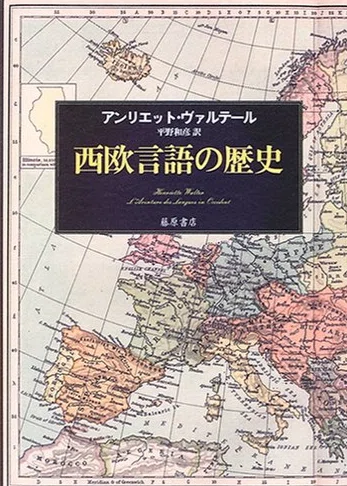
フランス人で口の悪い連中なんかは、英語のことを「西欧言語のゴミ箱」なんて言い方さえします。
日本語と一緒で、英語ではニュートラルな表現がうまく機能せず、文体を変えてしまえば微妙なニュアンスもどうしても変わってしまうというのがその特徴です。
したがって、認識の言語としては、英語はフランス語などよりも「出来が悪い」といわざるを得ません。
この点についてWilliamsさんがふれていないのは、彼のなかにおそらくそうした「認識の言語として英語が劣っている」という認識さえもないからだと思います。
英語が明晰さに欠ける言語だという意識は、18世紀後半のフランス語全盛時代にリヴァロールが「明晰でないものはフランス語ではない。明晰でないものといえば英語などである」と豪語したときには世間一般にかなりあったのでしょうが、いまそういった認識を持っている人はかなり少ないのではないでしょうか。
日本の英語フリークたちも「英語は理性的な表現にはぴったりだ」なんて発言をずいぶんとしていますからね。
まあ、ノーテンキなものです。
(つづきは↓)
☆☆☆
☆☆☆
「ことさきく|成瀬由紀雄の日英文章・翻訳教室」では、このほかにも日本と日本人、英語・日本語・翻訳その他に関するコンテンツを数多くアップしてあります。総数は1900本を超えています。
いくつものマガジンを設定していますのでぜひチェックしてみてください。
