
Siliceous sinter
A rock subtype
This page is currently not sponsored. Click here to sponsor this page.




About Siliceous sinter
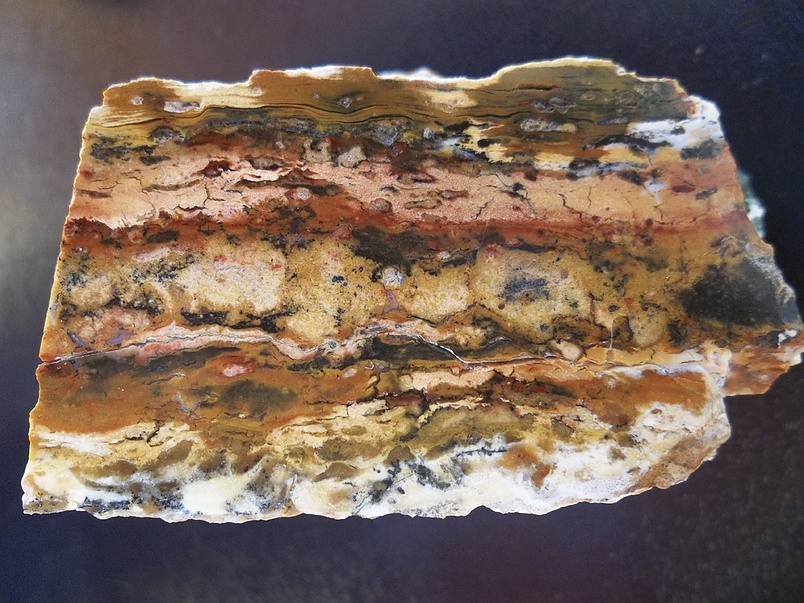
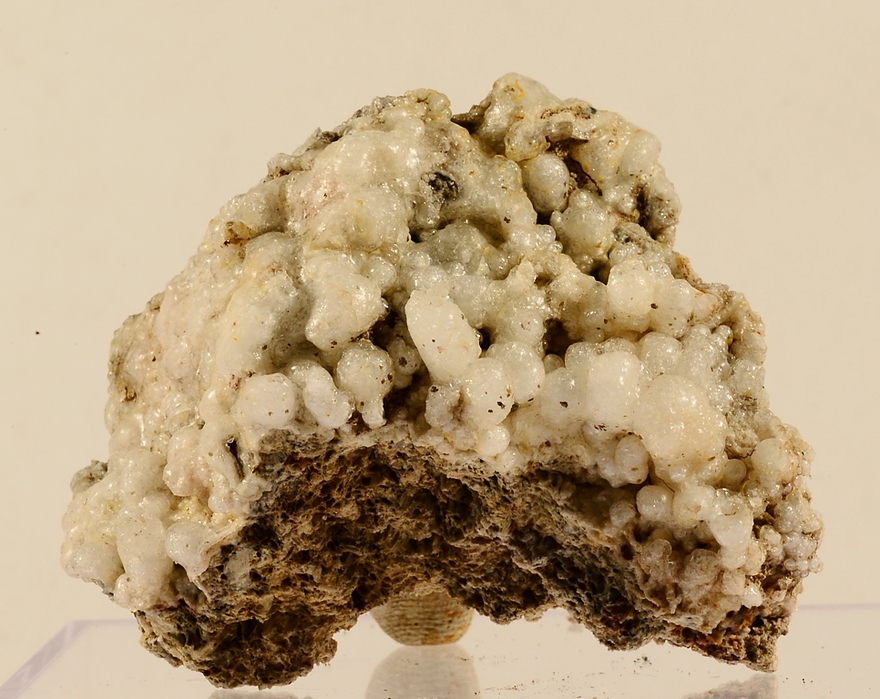
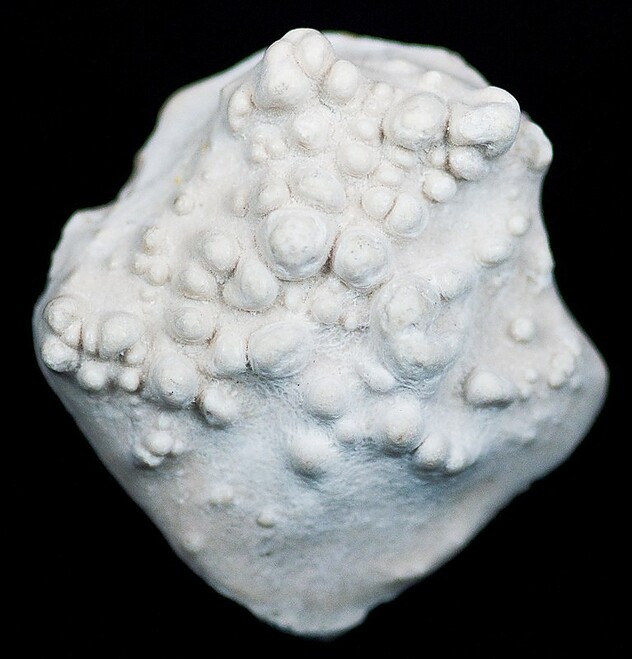
A silica-rich rock deposited from rapidly cooling watery solutions. Often irregularily laminated, but also sponge-like or massive. May form contiguous crusts or isolated, often rounded bodies. Usually made of opal (eg. opal-AG, opal-CT), but may also contain or be exclusively made of chalcedony.
Silicious sinter typically forms at hot springs, and often called geyserite, but silicious rocks and minerals of similar porous to laminated texture and composition can form under comparable conditions in subsurface veins and are sometimes also called silicious sinter.
Silicious sinter typically forms at hot springs, and often called geyserite, but silicious rocks and minerals of similar porous to laminated texture and composition can form under comparable conditions in subsurface veins and are sometimes also called silicious sinter.
Unique Identifiers
Mindat ID:
6690
Long-form identifier:
mindat:1:1:6690:3
Classification of Siliceous sinter
Sub-divisions of Siliceous sinter
Synonyms of Siliceous sinter
Other Language Names for Siliceous sinter
Simplified Chinese:硅华
Common Associates
Associations Based on Photo Data:
| 21 photos of Siliceous sinter associated with Stibnite | Sb2S3 |
| 21 photos of Siliceous sinter associated with Metastibnite | Sb2S3 |
| 1 photo of Siliceous sinter associated with Cinnabar | HgS |
| 1 photo of Siliceous sinter associated with Native Sulphur | S8 |
Internet Links for Siliceous sinter
mindat.org URL:
https://www.mindat.org/min-6690.html
Please feel free to link to this page.
Please feel free to link to this page.
Search Engines:
References for Siliceous sinter
Reference List:
Rodgers, K. A., Hampton, W. A. (2003) Laser Raman identification of silica phases comprising microtextural components of sinters. Mineralogical Magazine, 67 (1) 1-13 doi:10.1180/0026461036710079

Yellowstone National Park, USA