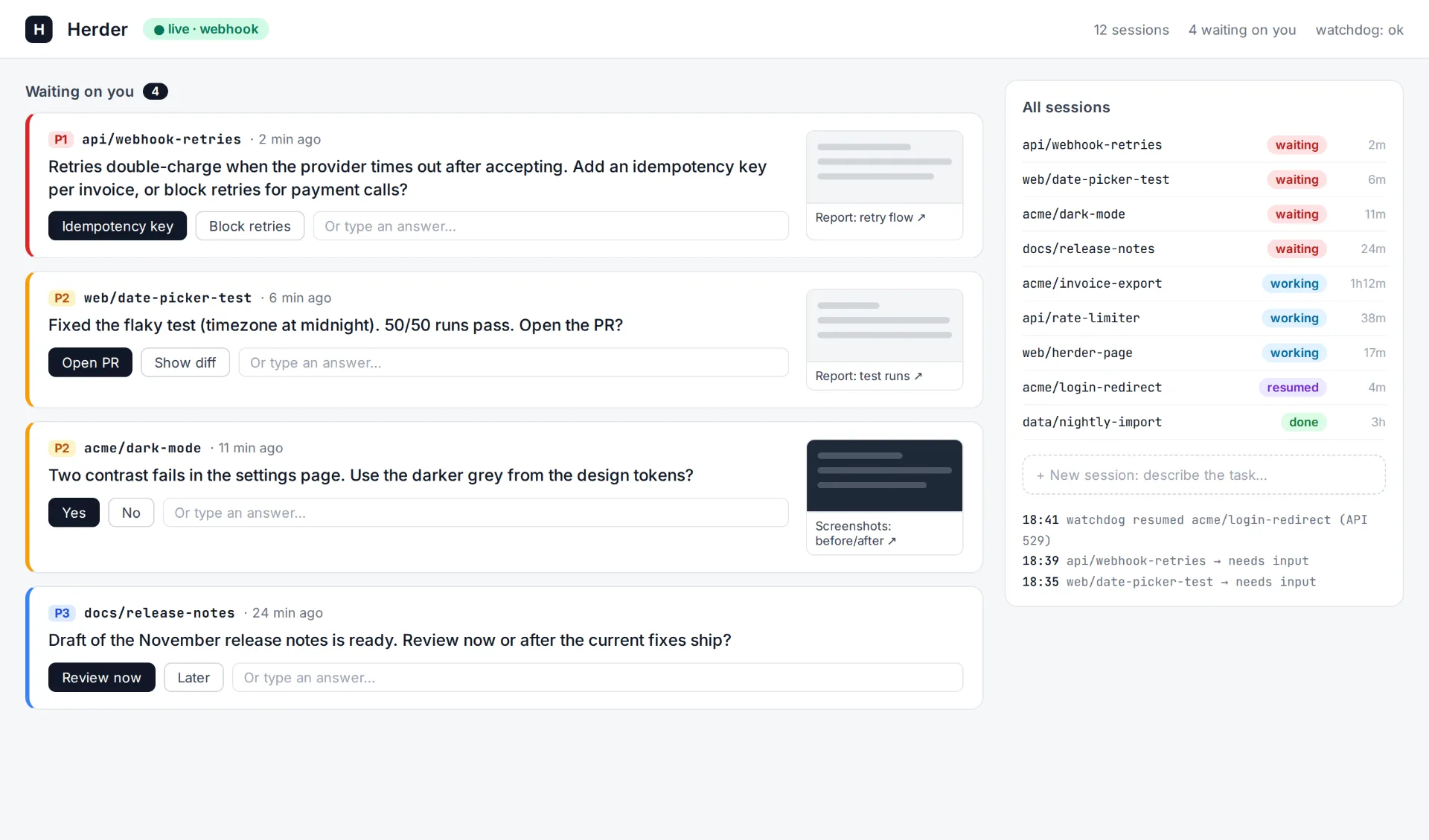
Stop hunting through sessions for pending questions: a herder agent surfaces them by priority, kept current by webhooks or cheap Haiku polling.
Stop hunting through sessions for pending questions: a herder agent surfaces them by priority, kept current by webhooks or cheap Haiku polling.
Package skills, rules, hooks, and MCP tool configs as versioned plugins, then distribute them through a marketplace, shown with Claude Code and AWS.
A synchronous call kept an RSS agent's connection open for 83 seconds; webhooks and 202 receipts free the client while the agent works.

A Python SDK v2 catalogue server with two narrow tools, one resource, and one prompt shows how to keep planning, workflow state, and authorisation host-side.
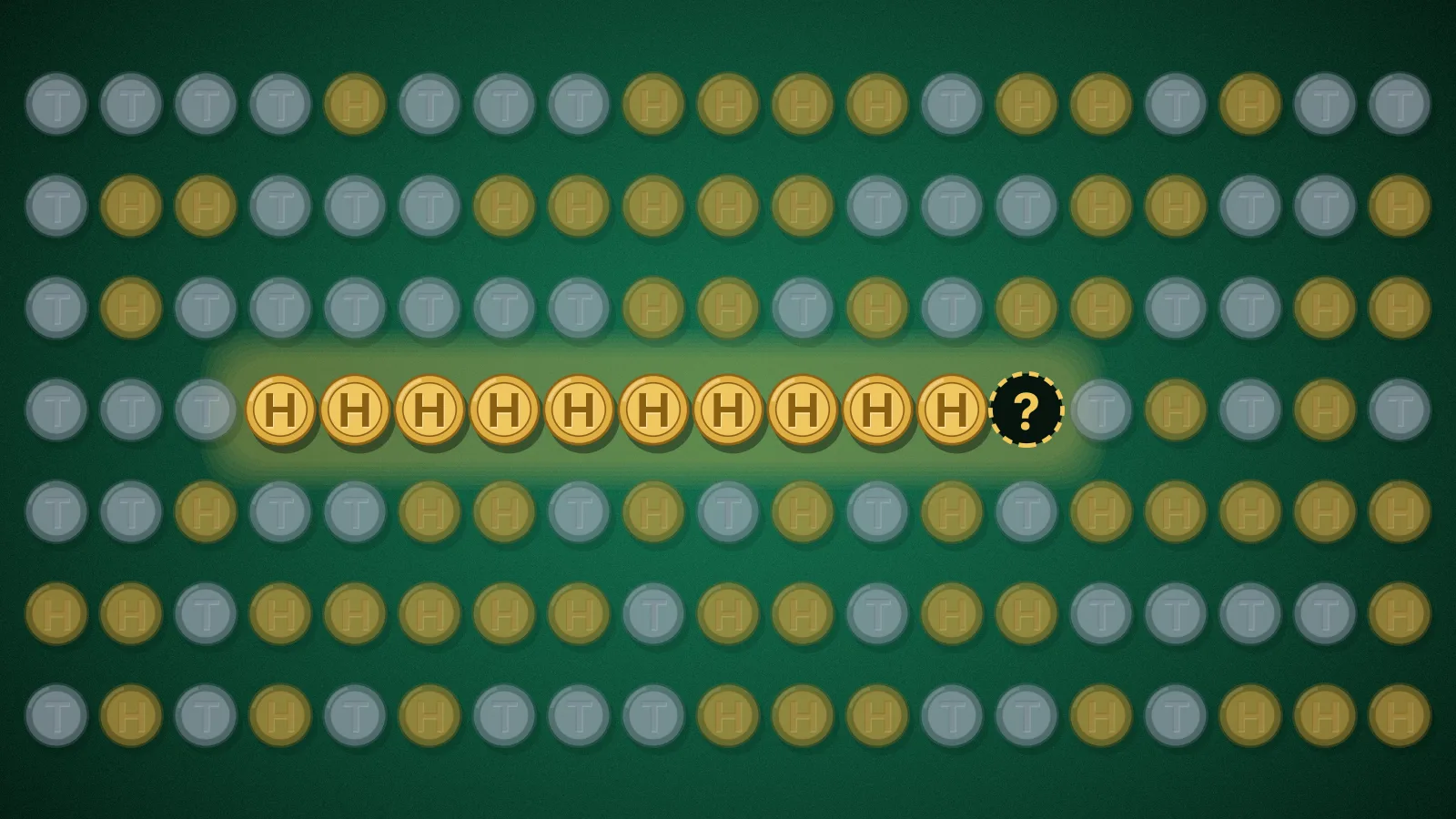
Telling eight base and instruction-tuned open models that the coin is fair and the flips are independent trims their streak bias by only a few points.
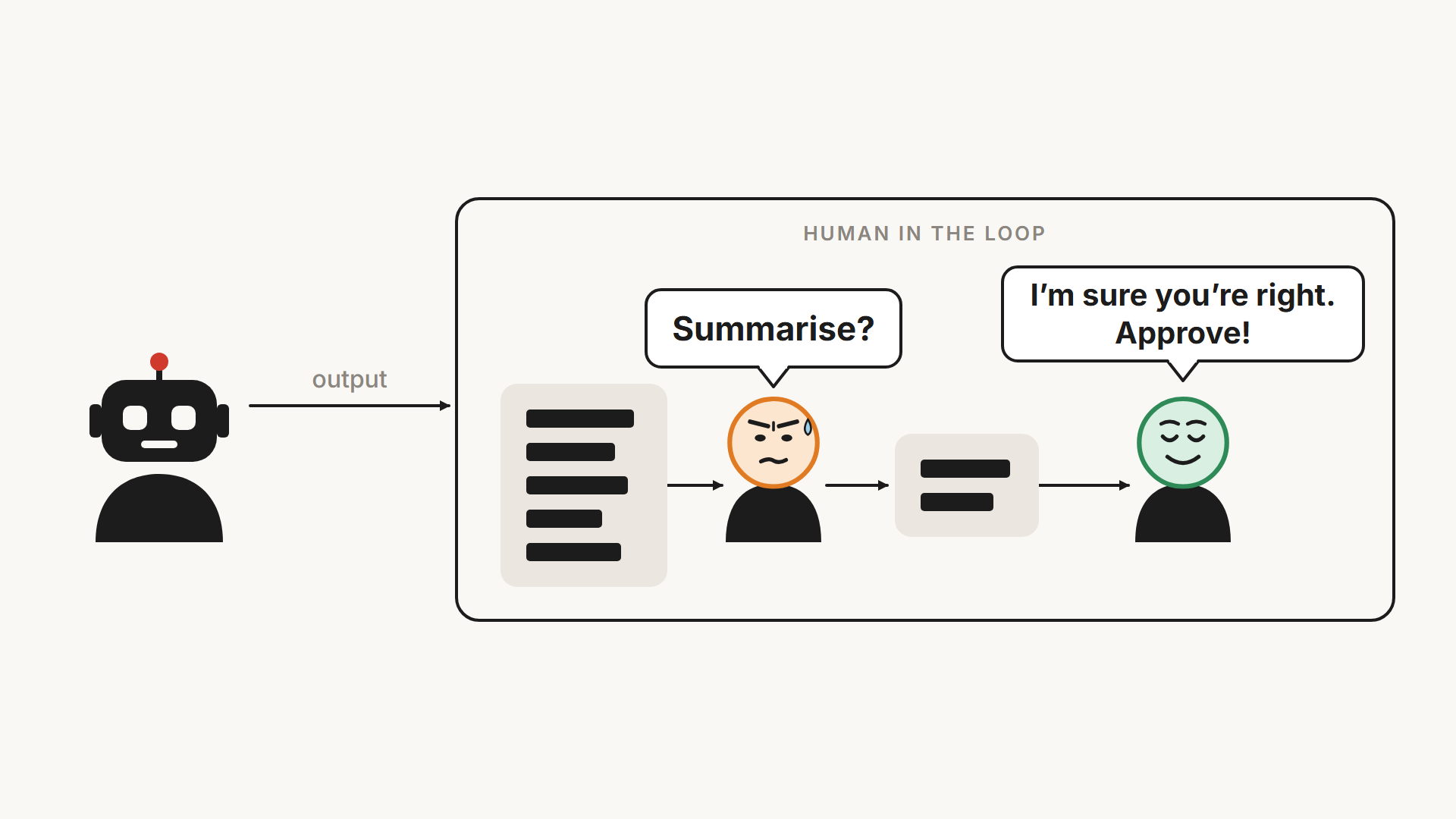
Kahneman's System 1 and System 2, plus the ODPS, ODCS, and Ossie standards, show how to wake reviewers up only when a check fails.
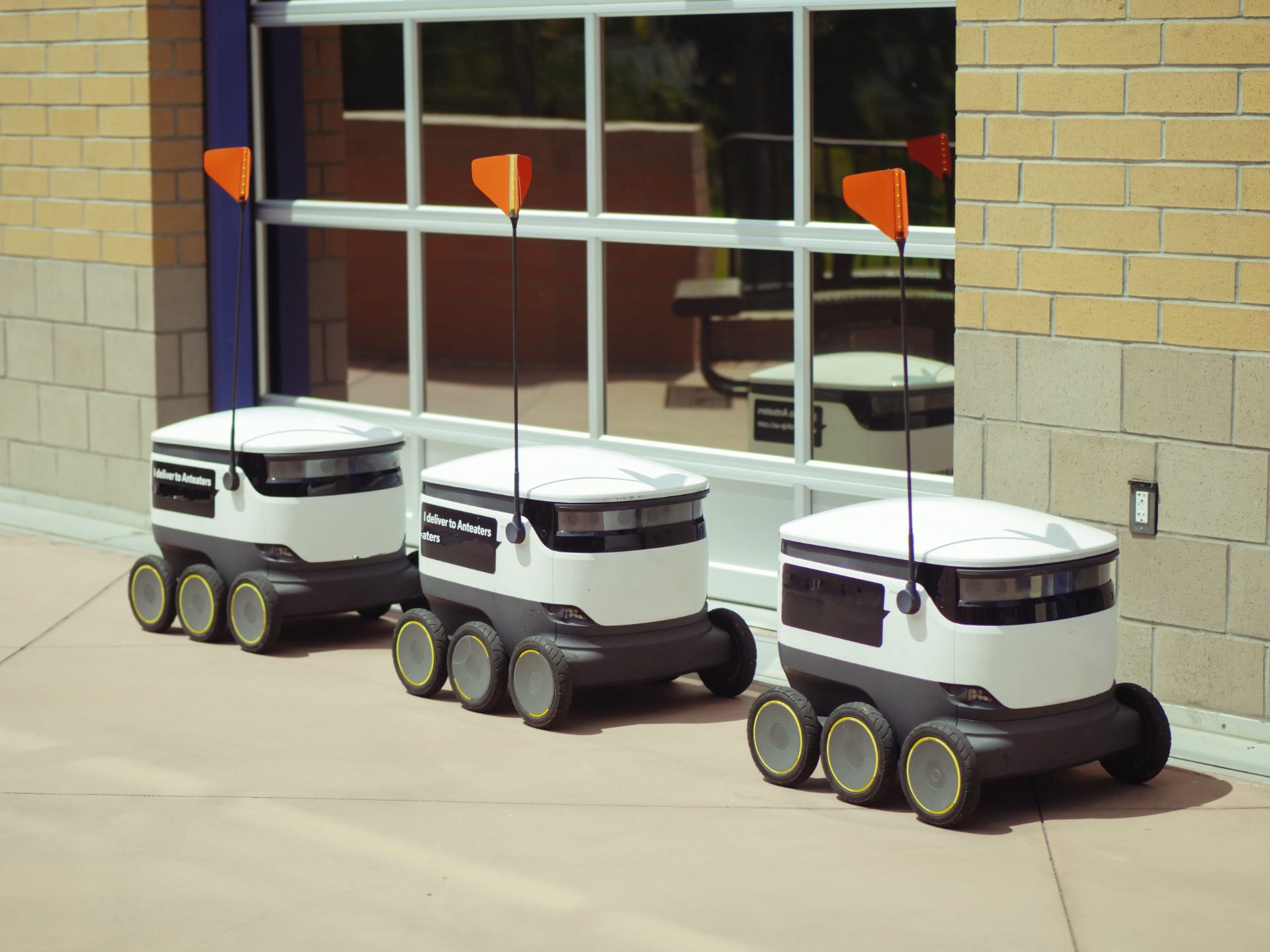
Lessons from manufacturing and logistics projects: follow data from input to output, then turn vague requests into deterministic tools teams trust.
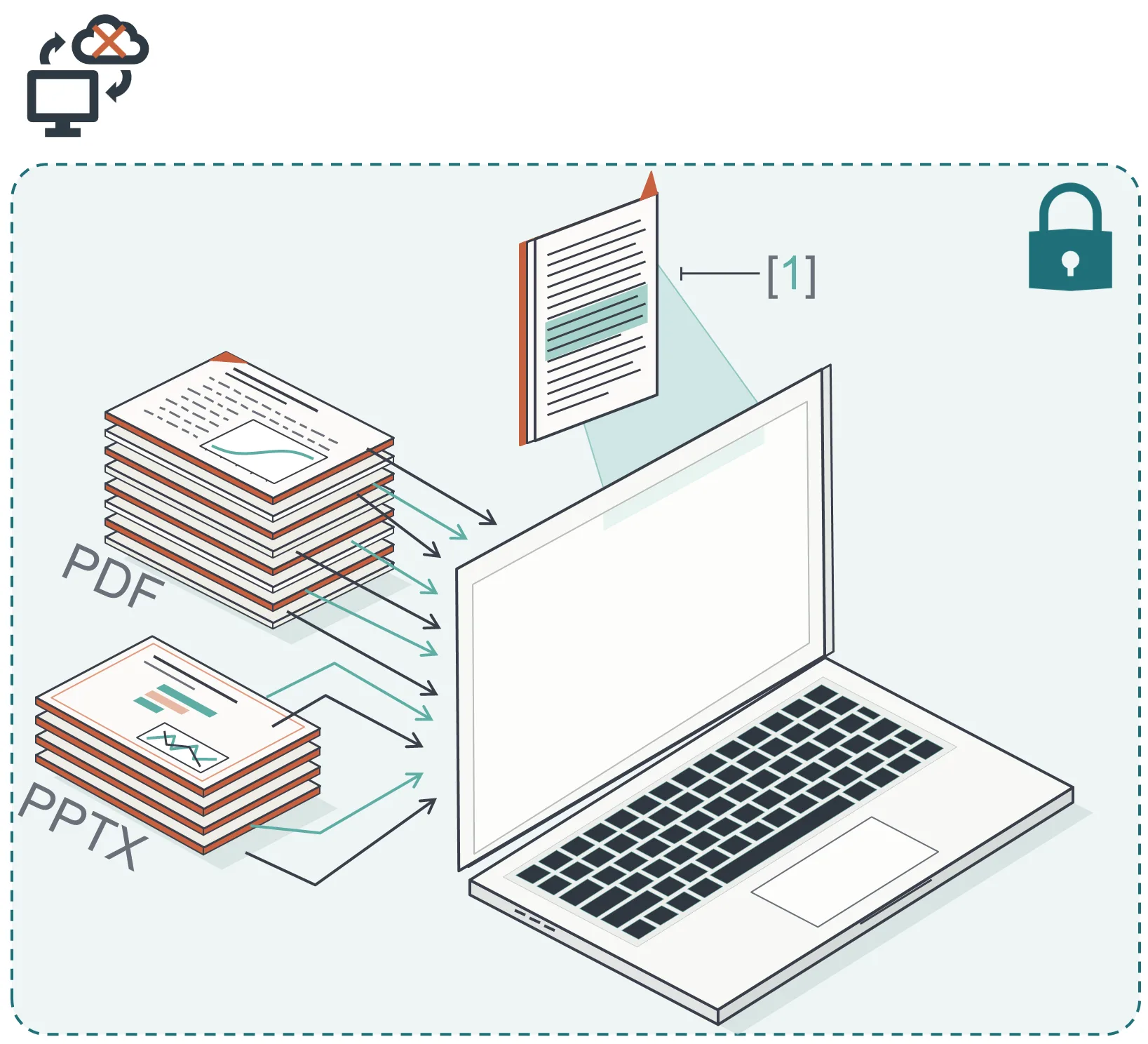
Five setups, one blind grading pack: textbook scores ran 12 to 20 of 20, but a paper published this year dropped them to 0 to 9 of 15.

How autonomous agents turn static knowledge graphs into living Context Graphs that remember decisions, user intent, and operational history

Local and global variants, Fisher estimation, epsilon-ball sampling, and log-space stability, with PennyLane code and a time-series experiment.

A step-by-step guide to transition matrices, the Chapman–Kolmogorov equation, and stationary distributions, built around a three-state writing example.
Package skills, rules, hooks, and MCP tool configs as versioned plugins, then distribute them through a marketplace, shown with Claude Code and AWS.
A synchronous call kept an RSS agent's connection open for 83 seconds; webhooks and 202 receipts free the client while the agent works.
Kahneman's System 1 and System 2, plus the ODPS, ODCS, and Ossie standards, show how to wake reviewers up only when a check fails.
Lessons from manufacturing and logistics projects: follow data from input to output, then turn vague requests into deterministic tools teams trust.
Local and global variants, Fisher estimation, epsilon-ball sampling, and log-space stability, with PennyLane code and a time-series experiment.
A step-by-step guide to transition matrices, the Chapman–Kolmogorov equation, and stationary distributions, built around a three-state writing example.

Sorting through the good, bad, and ambiguous aspects of vibe coding
Don't miss our most-read and -shared stories of the past month
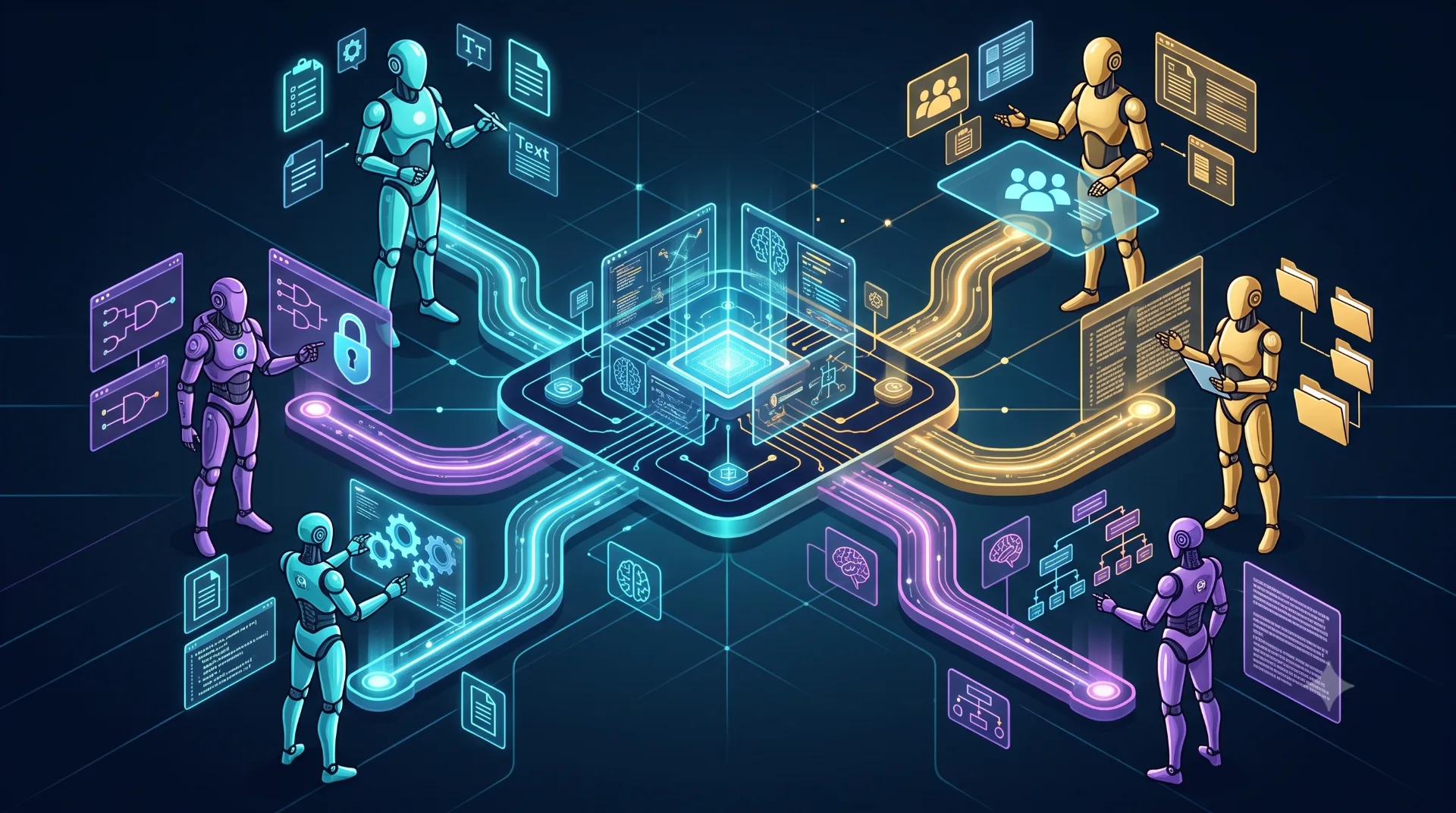
Beyond basic ReAct loops: six production-oriented architectures for building autonomous, reliable, and scalable LLM agents.
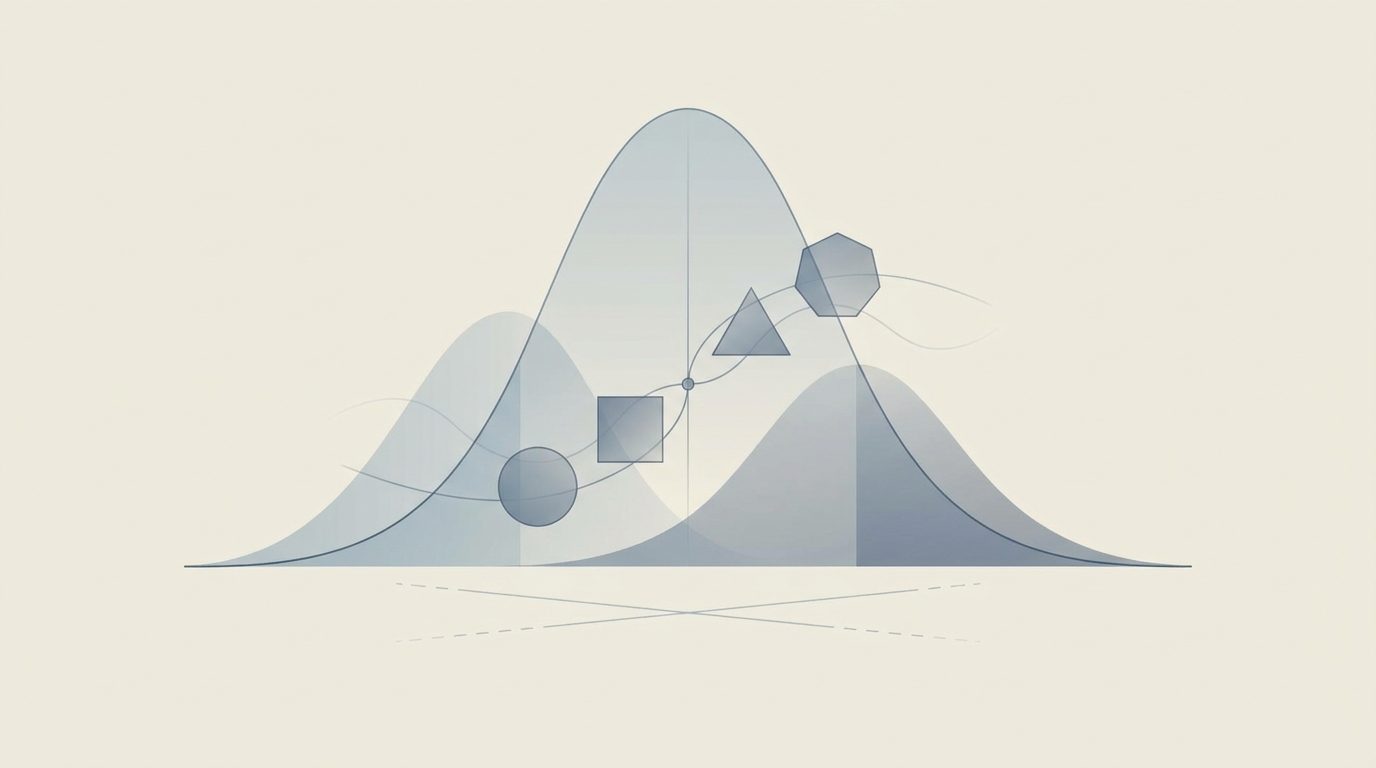
How statistical moments connect the mean, the variance, and higher powers of a distribution
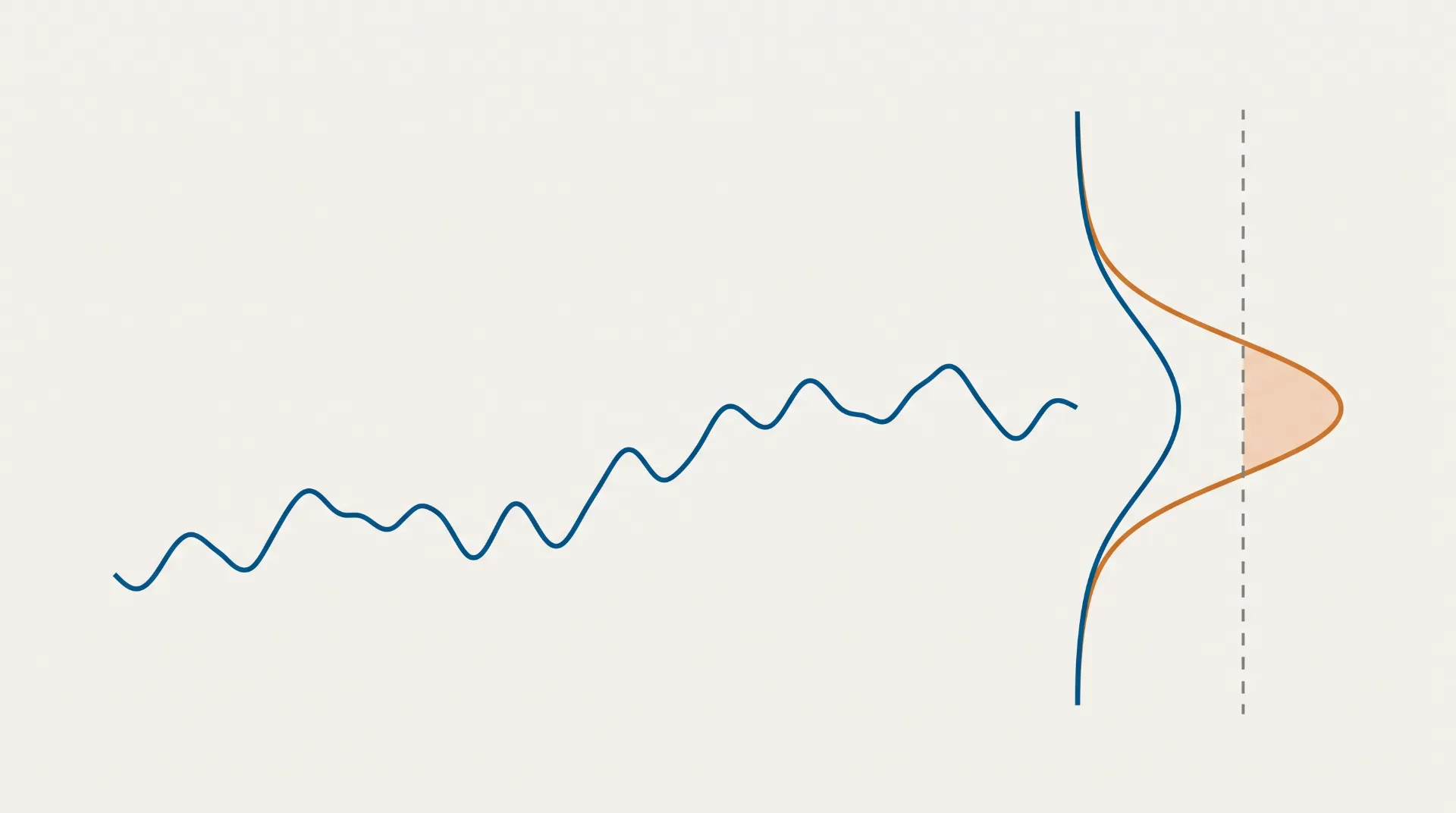
First in a series on probabilistic forecasting for physical signals. Next: what happens when you roll the forecast forward more than one step.
When Codex is the right shape for the problem, when Claude Code is, and how I split 5 specialist agents between them on dense AI capacity work.

Why the skill-inflation panic is aimed at the wrong thing, and what it costs to make agent knowledge a build artifact instead of a file.
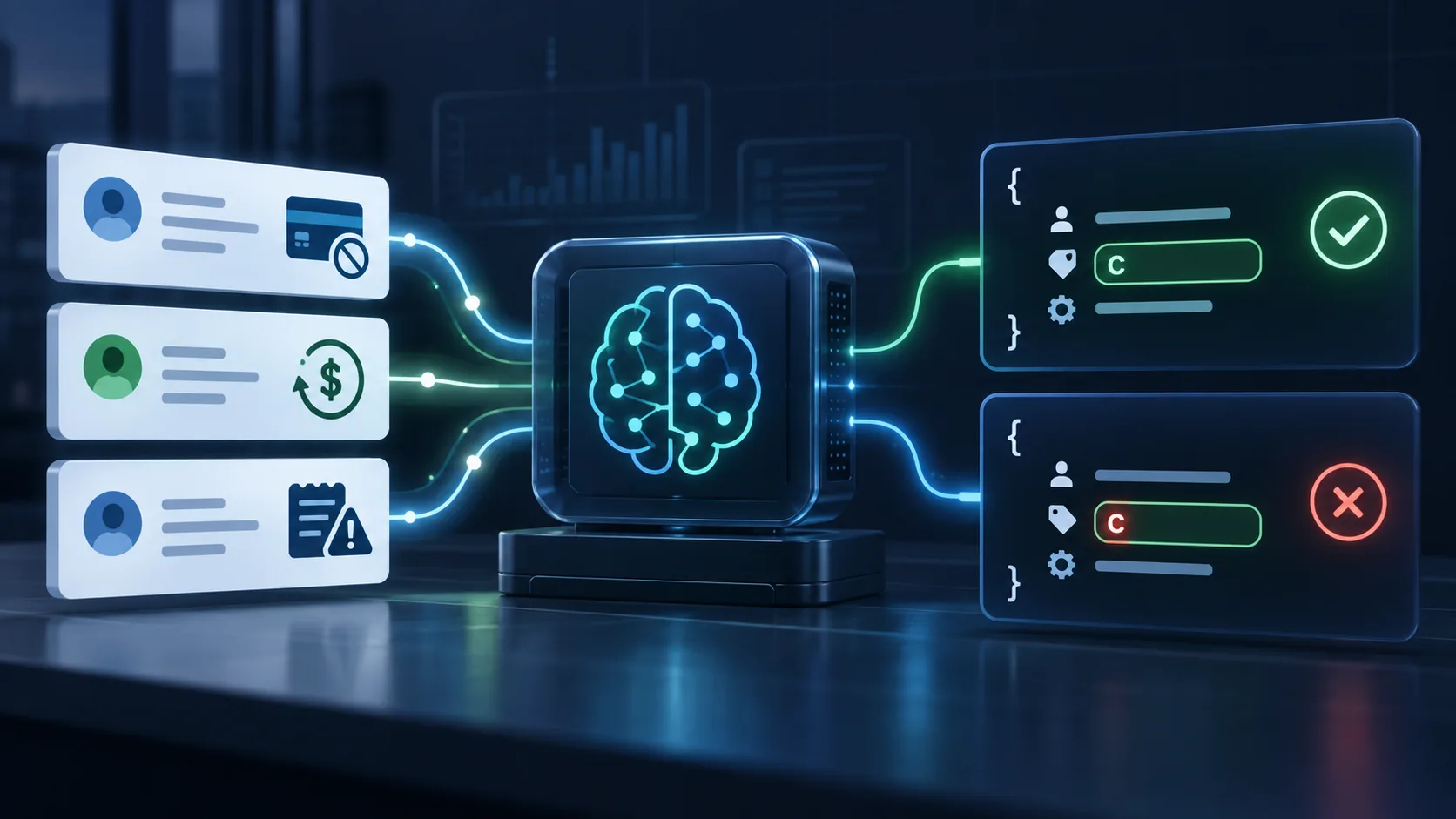
A real Weave project that regression-tests three OpenAI models against the exact reply format your app depends on.