If the eurozone crisis stoked great divisions between northern and southern Europe, the ongoing migrant crisis has already led to sharp conflict between western and central Europe.
While Germany under chancellor Angela Merkel, at least initially, pushed to welcome the refugees and institute an EU plan to redistribute them, many central European governments were overwhelmingly opposed to receiving them.
A new “Visegrad+” anti-immigration bloc is emerging, including at least Poland, Hungary, the Czech Republic, Slovakia, and Romania. The elections in Poland – with the populist-conservative Law and Justice party winning an outright majority in parliament – will likely accentuate this trend.
The sharpest differences between western and central Europe have deep roots, typically dating back to the Cold War and sometimes much further. Central European nations were damaged by four decades of communist dictatorship and often had little-to-no indigenous liberal-democratic tradition.
Preexisting fractures
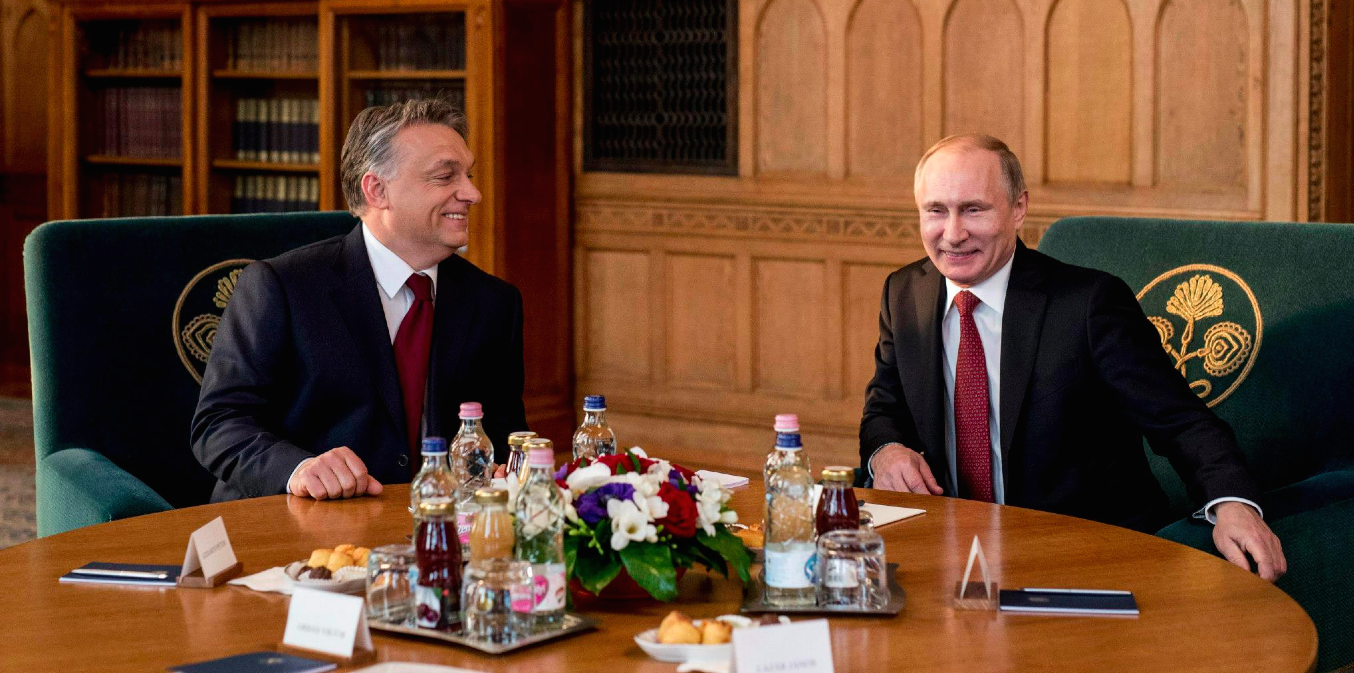
Hungarian prime minister Viktor Orban has even spoken of building “illiberal democracy” as an objective. None of these countries have a history of non-European immigration, besides a few with unhappy memories of Islamic settlement under the Turks.

 Europe’s self-styled pacifists are helping Putin freeze Ukrainians in their homes